Tantalum
A corrosion-resistant refractory metal named after a Greek myth.

U.S. Government Accountability Office from Washington, DC, United States · Public domain
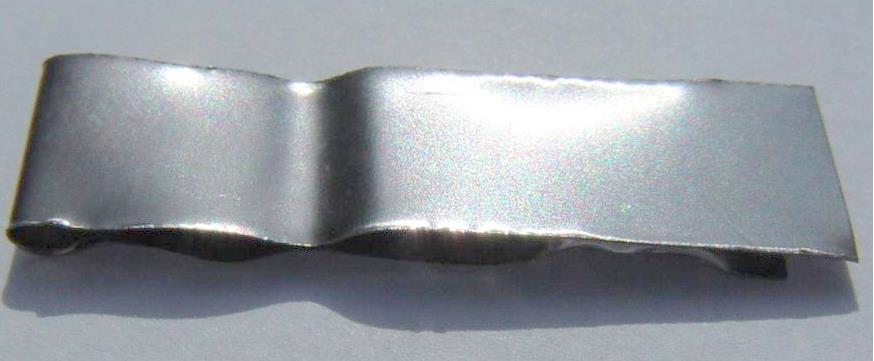
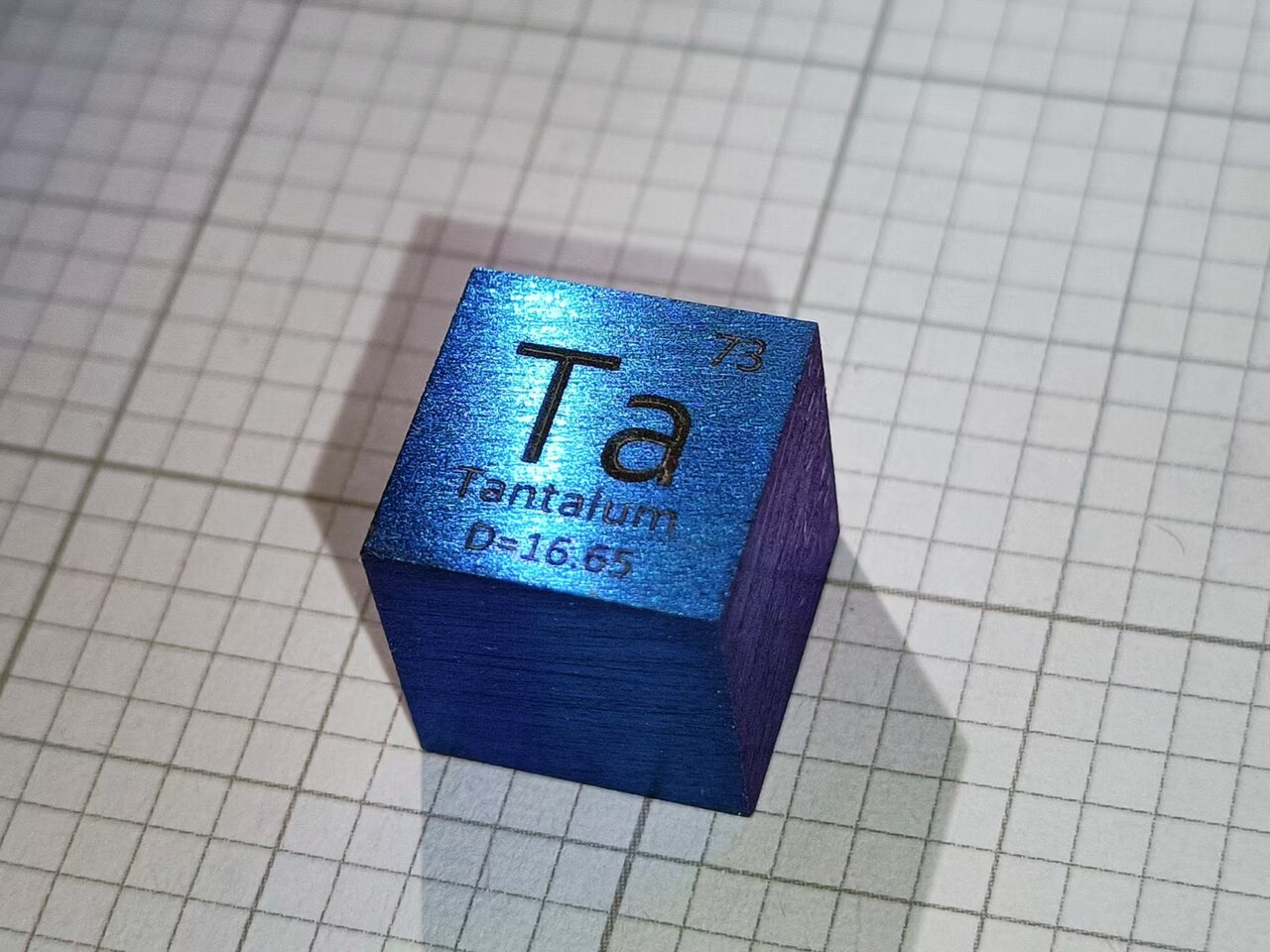
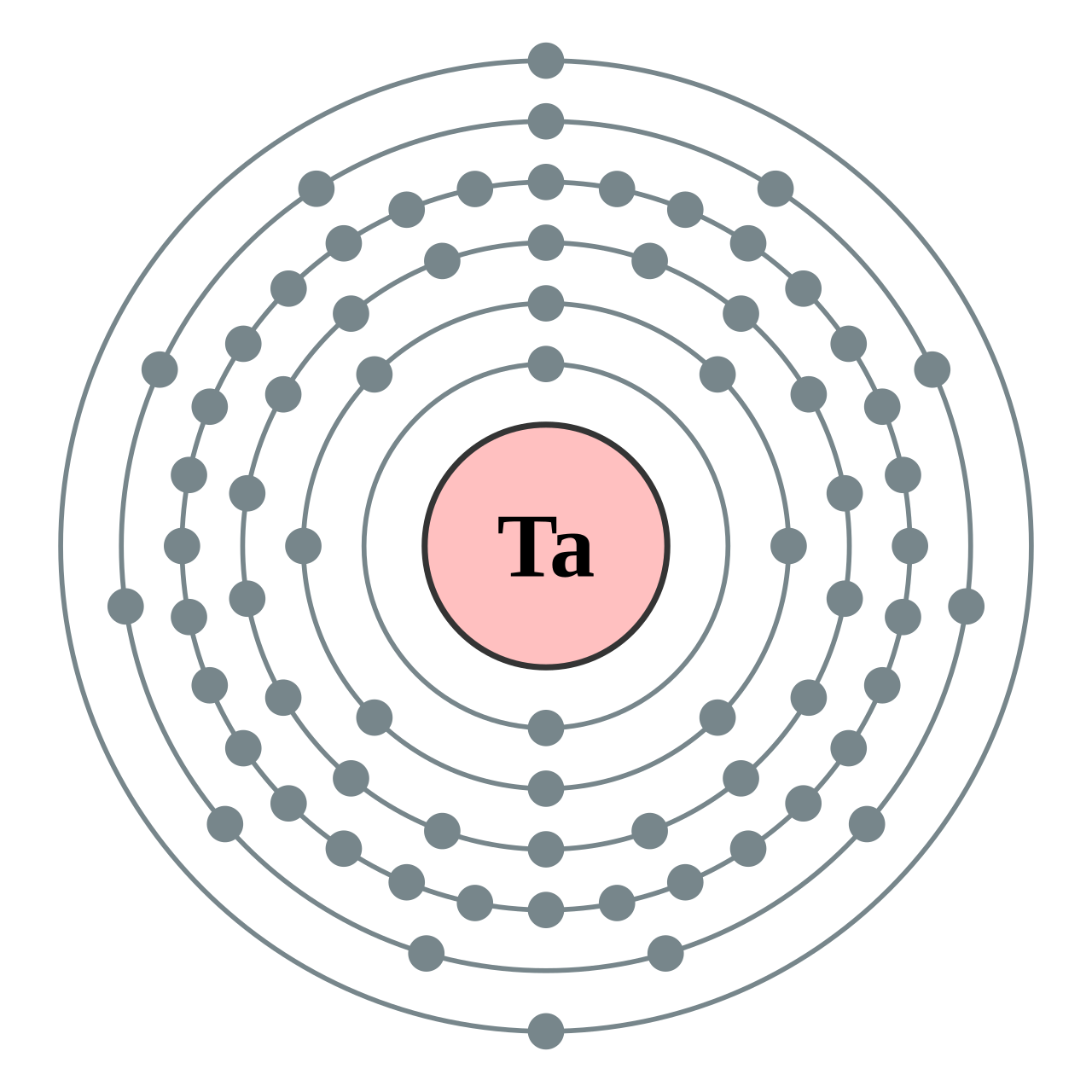
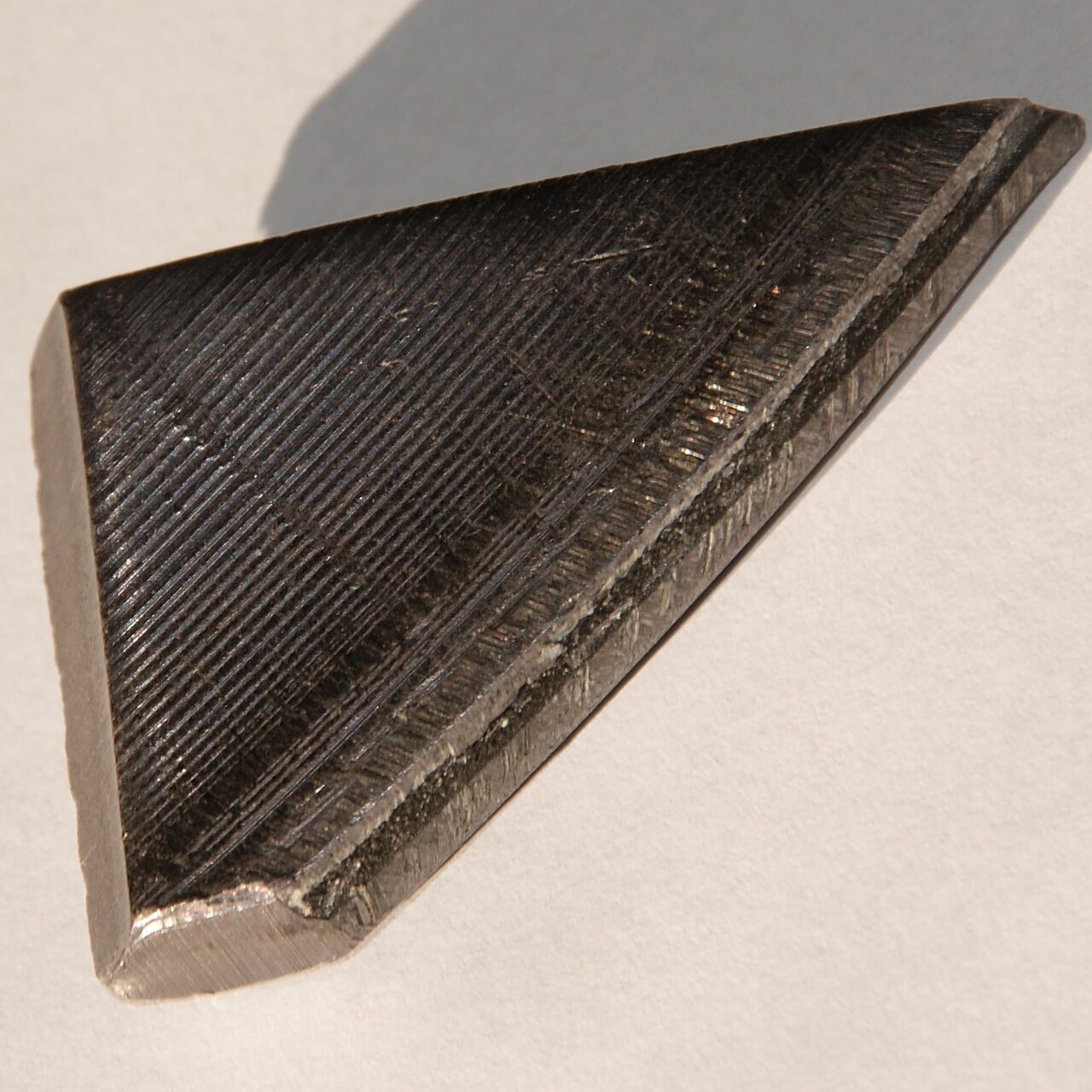
Tantalum is a chemical element with symbol Ta and atomic number 73. It is a very hard, ductile, lustrous, blue-gray transition metal that is highly corrosion-resistant and part of the refractory metals group. Named after Tantalus from Greek mythology, it is valued for its chemical inertness and very high melting point, making it essential for laboratory and industrial equipment, tantalum capacitors in electronics, and being investigated for use in quantum processors.
- symbol
- Ta
- atomic_number
- 73
- discovered_by
- Anders Ekeberg
- discovery_location
- Sweden
- group
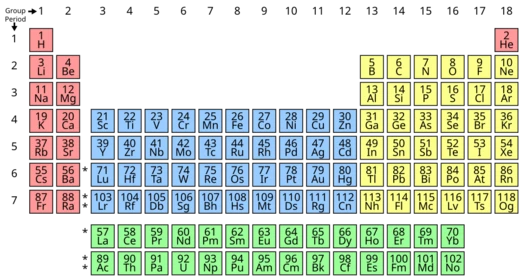
- Group 5
Lore & Background
A year earlier, Charles Hatchett had discovered niobium (then called columbium). Pelopium was later identified as a mixture of tantalum and niobium, and niobium was found identical to Hatchett's columbium.
Reader's Guide
These make it indispensable for reaction vessels, vacuum furnaces, and tantalum capacitors in computers and other electronics. Its chemical inertness and high melting point also position it as a candidate for superconducting resonators in quantum processors. Historically, the confusion between tantalum and niobium, resolved over decades by multiple chemists, illustrates the challenges of early analytical chemistry. The element's name, derived from the mythological Tantalus, reflects its inability to absorb acid, as noted by Ekeberg. Tantalum's rarity (about 1–2 ppm of Earth's crust) and its occurrence alongside niobium in coltan have driven separation technologies, from fractional crystallization to modern solvent extraction. Its isotopes include the rare nuclear isomer 180mTa, the only primordial nuclear isomer, with a half-life over 2.9×10^17 years. Tantalum has also been theoretically considered as a salting material for nuclear weapons, though not known to have been built.
Did You Know?
- Tantalum is named after Tantalus, a figure in Greek mythology who was punished by being tantalized with water and fruit he could never reach.
- Natural tantalum contains the rare nuclear isomer 180mTa, which is the only primordial nuclear isomer and the rarest of all primordial nuclides.
- Tantalum wires were used for light bulb filaments until tungsten replaced them.
The Long Road to Separation: Tantalum's Discovery
In 1802, Swedish chemist Anders Ekeberg identified a new element within mineral samples collected from both Sweden and Finland, naming it after Tantalus, the mythological king condemned to eternal thirst and hunger. The timing was awkward: just a year earlier, Charles Hatchett had already isolated niobium (then called columbium) from a related mineral. This proximity created decades of confusion. In 1809, William Hyde Wollaston examined the oxides of both elements and, despite their markedly different densities, declared them identical. Friedrich Wöhler later endorsed that conclusion. It was not until 1846 that Heinrich Rose challenged the identification, proposing two additional elements he named niobium and pelopium after Tantalus's children. The true resolution came in the mid-1860s, when Blomstrand, Sainte-Claire Deville, Troost, and finally Jean Charles Galissard de Marignac demonstrated beyond doubt that tantalum and niobium were distinct. Marignac also achieved the first reduction of tantalum chloride to metallic form in 1864, though the first workable, ductile metal did not appear until Werner von Bolton's 1903 production in Charlottenburg.
Two Faces of the Metal: Alpha and Beta Phases
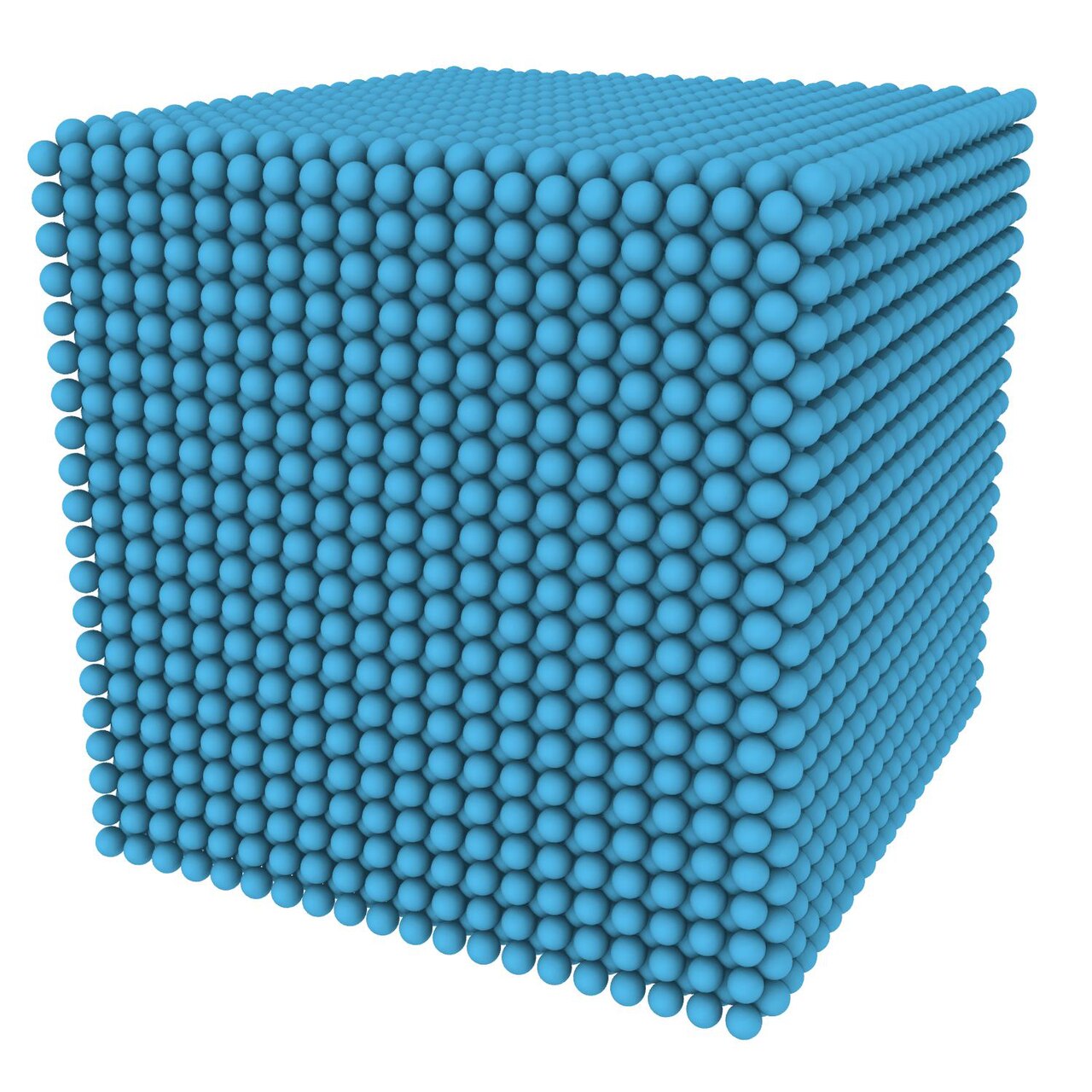
Tantalum presents a striking duality in its solid-state structure. The alpha phase, which dominates bulk metal, adopts a body-centered cubic arrangement and remains stable all the way up to the melting point of 3017 °C. It is relatively soft and ductile, with a Knoop hardness in the 200–400 HN range and moderate electrical resistivity. The beta phase, by contrast, is a hard, brittle tetragonal structure whose Knoop hardness soars to 1000–1300 HN and whose resistivity climbs to 170–210 μΩ·cm. Because beta tantalum is metastable, heating it to roughly 750–775 °C causes it to revert to the alpha form. In practice, the beta phase is encountered almost exclusively as ultrathin films produced by magnetron sputtering, chemical vapor deposition, or electrochemical deposition from molten salt baths. Beyond phase behavior, the metal's corrosion resistance is remarkable: below 150 °C it shrugs off even aqua regia, one of the most aggressive acid mixtures known. Only hydrofluoric acid, fluoride-bearing solutions with sulfur trioxide, or molten potassium hydroxide can etch it. Its boiling point of 5458 °C places it among the highest-melting substances, surpassed only by tungsten, rhenium, osmium, and carbon.
From Mine to Microchip: Tantalum in Industry
In the Earth's crust, tantalum never appears alone; it is locked in the same mineral groups—tantalite and columbite, collectively known as coltan—as its chemical cousin niobium. For decades, industrial separation relied on a fractional crystallization technique devised by de Marignac in 1866, pitting potassium heptafluorotantalate against potassium oxypentafluoroniobate monohydrate. Modern plants have largely moved to solvent extraction from fluoride-rich solutions, a more efficient route. Once isolated, the metal's combination of chemical inertness and extraordinary melting point makes it indispensable for laboratory reaction vessels and vacuum furnaces where other metals would simply dissolve or melt. In electronics, tantalum capacitors are a staple component in computers and other devices, exploiting the element's reliable oxide-layer behavior. The metal also belongs to the refractory-metals family, so it features in high-temperature alloys designed for extreme mechanical loads. Looking ahead, researchers are exploring tantalum as a candidate material for superconducting resonators inside quantum processors, a role that would place it at the heart of next-generation computing architectures.
A Rare Isotope and a Darker Speculation
Natural tantalum is composed of two isotopes: the overwhelmingly dominant 181Ta at 99.988 percent and the exceedingly rare metastable 180mTa at just 0.012 percent. That tiny 180mTa fraction is a nuclear oddity. It is the only known nuclear isomer among all primordial nuclides—species whose half-lives exceed 100 million years—and it is the rarest of them all. Theory predicts three possible decay channels (isomeric transition, beta decay to tungsten-180, or electron capture to hafnium-180), yet no radioactivity has ever been detected from it; experiments have only established a lower bound on its half-life of 2.9 × 10¹⁷ years. By contrast, the ground state of 180Ta decays in mere hours. Tantalum has also attracted attention in a far less benign context. Theoretical analyses have examined it as a potential salting agent for nuclear weapons: a shell of the metal, bombarded by the weapon's neutron burst, would transmute into radioactive 182Ta, whose gamma emissions would extend the hazardous radioactivity of fallout for months after detonation.
Gallery

Frequently Asked Questions
Who is Tantalum?
Tantalum (symbol Ta, atomic number 73) is a hard, lustrous blue-gray transition metal in Group 5 of the periodic table. It borrows its name from Tantalus, the tormented figure of Greek myth, and belongs to the refractory-metals family prized for surviving extreme heat.
What are Tantalum's powers and role?
Its signature ability is near-total chemical inertness combined with a very high melting point, letting it shrug off acids and temperatures that destroy most other elements. In practice it stars in tantalum capacitors for consumer electronics, heavy-duty laboratory and industrial hardware, and is currently being tested as a component in quantum processors.
How does Tantalum's story end?
As a stable, non-radioactive element, Tantalum has no dramatic finale—it simply persists, resisting corrosion and thermal breakdown far longer than its neighbors. Its ongoing 'season' is being written in quantum-computing research, where it may take on a supporting role in next-generation processors.
Why is Tantalum so important?
Because it remains solid and chemically unreactive in conditions that would ruin almost every other metal, engineers depend on it for mission-critical capacitors, aerospace parts, and high-temperature lab equipment. Without Tantalum, a large slice of modern electronics and industrial tooling would simply stop working.
Who discovered Tantalum and where?
Swedish chemist Anders Ekeberg first isolated Tantalum in 1802 while working in Sweden. It was later slotted into the periodic table as element 73, joining Group 5 alongside vanadium and niobium.
More in Chemical Elements 1-16
Spotted an error? Know more?
This is a living reference — every entry is fact-audited, and reader corrections feed straight into our audit queue. Suggest an edit · See this site's audit record