Ytterbium
A soft, malleable lanthanide metal with a closed-shell electron configuration.

Leiem · CC BY-SA 4.0
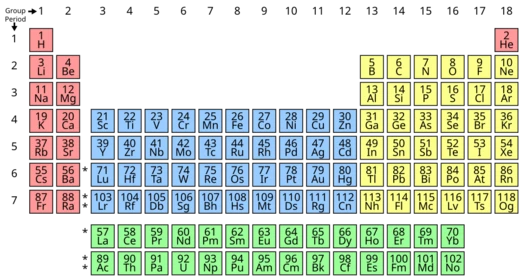
Ytterbium is a chemical element with symbol Yb and atomic number 70. It is a metal, the fourteenth element in the lanthanide series, and is notable for the relative stability of its +2 oxidation state. Like other lanthanides, its most common oxidation state is +3, as in its oxide, halides, and other compounds. In aqueous solution, soluble ytterbium compounds form complexes with nine water molecules. Its density, melting point, and boiling point are much lower than those of most other lanthanides due to its closed-shell electron configuration.
- symbol
- Yb
- atomic_number
- 70
- discoverer
- Jean Charles Galissard de Marignac
- element_category
- Lanthanide
Lore & Background
He suspected that ytterbia was a compound of a new element that he called 'ytterbium'. Four elements were named after the village, the others being yttrium, terbium, and erbium. After some discussion, Marignac's name 'ytterbium' was retained.
Reader's Guide
Ytterbium is a rare-earth element with limited commercial applications, primarily used as a dopant of stainless steel or active laser media, and less often as a gamma ray source. Its abundance in the Earth's crust is about 3 mg/kg, and it is mined in China, the United States, Brazil, and India in the form of the minerals monazite, euxenite, and xenotime. The element is among the least abundant rare-earth elements. Ytterbium has three allotropes, and its beta allotrope is face-centered cubic at room temperature. It is paramagnetic above 1.0 kelvin, but the alpha allotrope is diamagnetic. Ytterbium metal tarnishes slowly in air and is a fire and explosion hazard. The element's +2 oxidation state is unusual for lanthanides and is stabilized by its fully filled 4f14 electron configuration. Natural ytterbium consists of seven stable isotopes, with 174Yb being the most abundant. The world production of ytterbium is only about 50 tonnes per year, reflecting its few commercial applications.
Did You Know?
- Ytterbium is named after the village of Ytterby in Sweden, which also gave names to yttrium, terbium, and erbium.
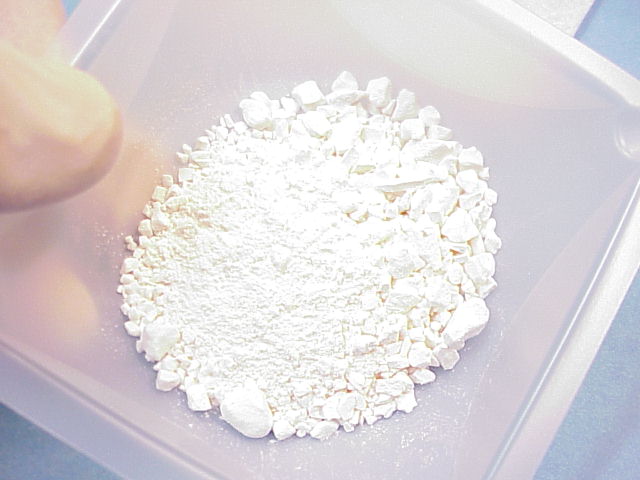
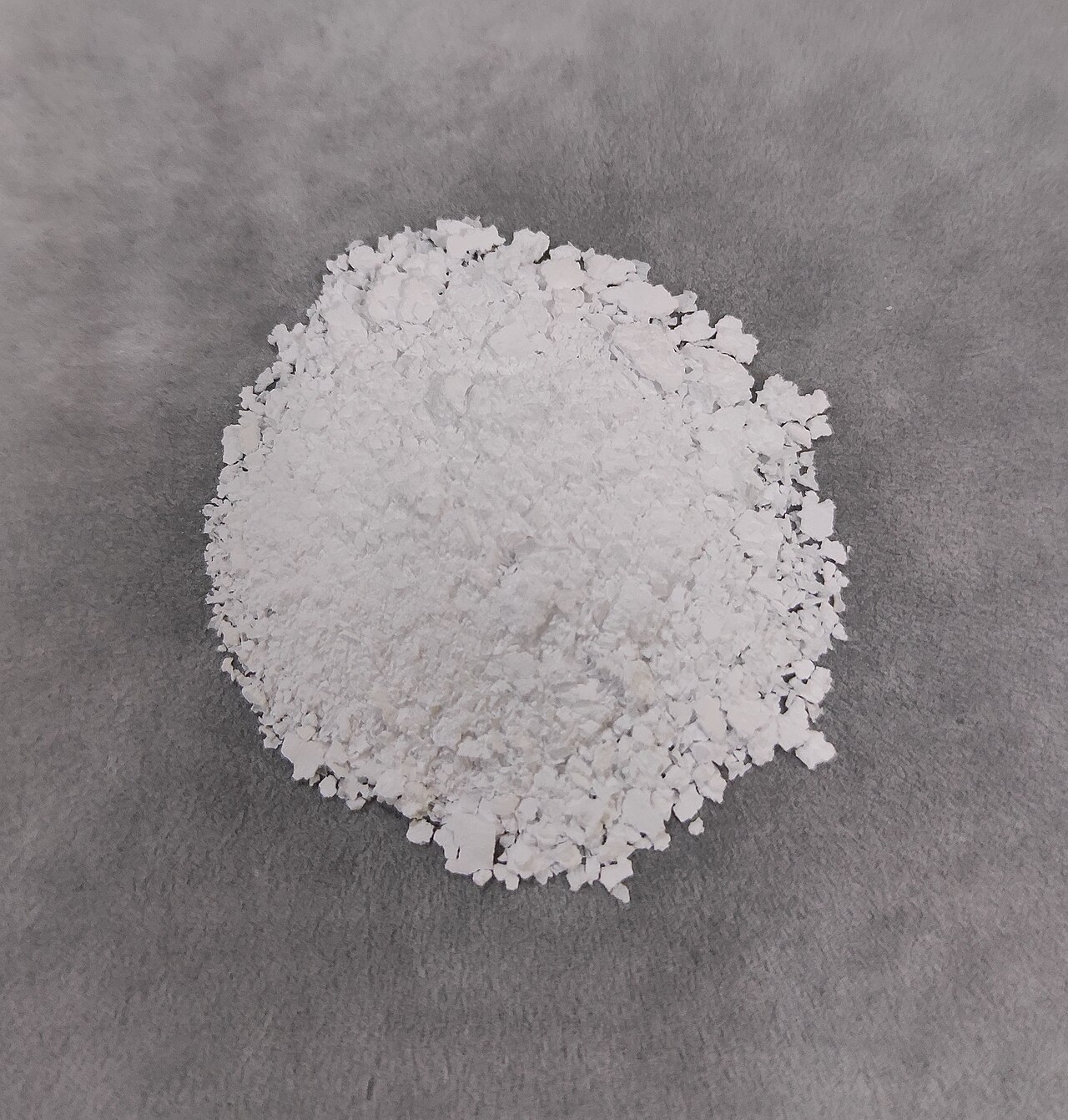
- The ytterbium(III) ion absorbs light in the near-infrared range, so ytterbia (Yb2O3) is white in color.
Discovery and the Ytterby Connection
In 1878, Swiss chemist Jean Charles Galissard de Marignac was working through the tangled mixture known as erbia when he isolated a distinct new component. He named this fraction ytterbia in honor of Ytterby, a small Swedish village where the original rare-earth material had been sourced. Marignac correctly suspected that ytterbia was not a single substance but rather a compound of an as-yet-unknown element, which he proposed to call ytterbium. The naming was part of a broader pattern: four elements in total would carry the village's name, the others being yttrium, terbium, and erbium. The story did not end there. In 1907, Georges Urbain, Carl Auer von Welsbach, and Charles James each independently separated yet another component they called lutecia from ytterbia, extracting the element now known as lutetium. After some debate over nomenclature, Marignac's original designation ytterbium was retained for the element itself. A genuinely pure sample of the metallic form was not achieved until 1953, more than seventy years after the initial separation.
A Closed-Shell Metal with Unusual Physical Traits
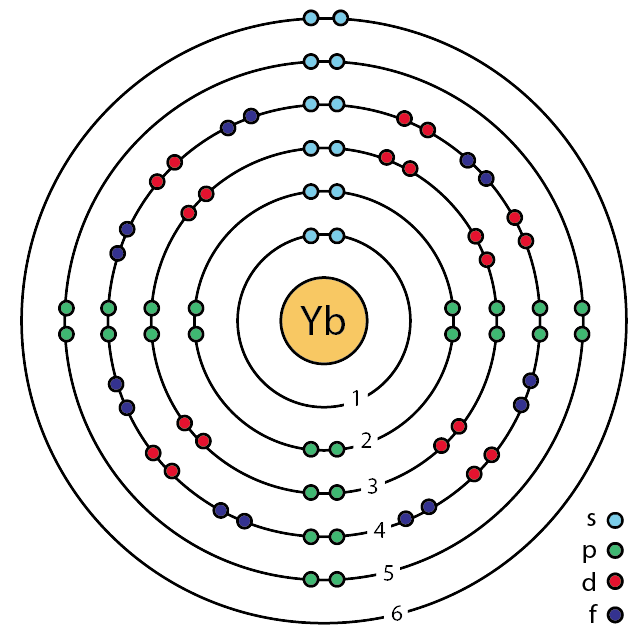
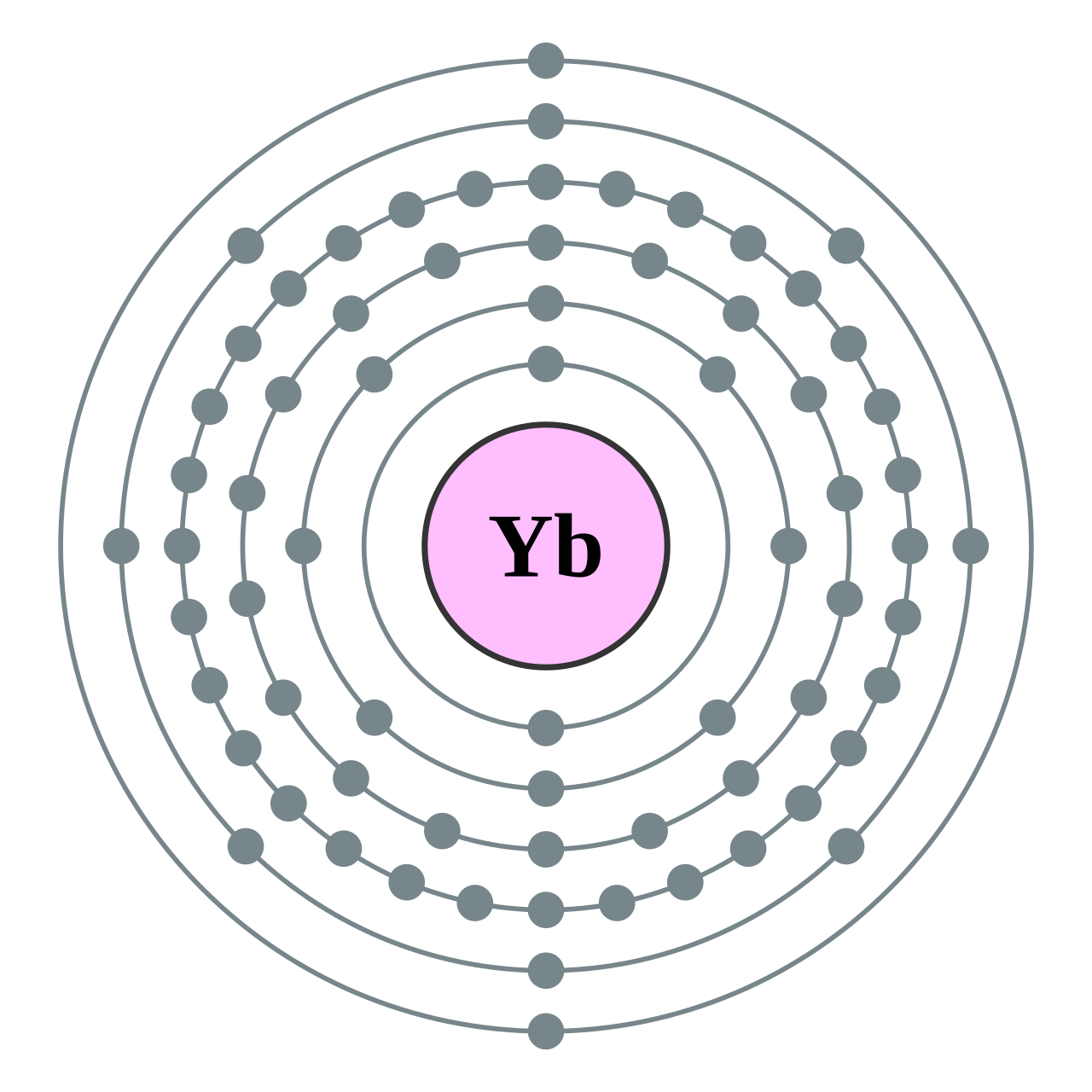
Ytterbium occupies the fourteenth position in the lanthanide series, and its electronic architecture sets it apart from its neighbors. With a closed-shell configuration of [Xe] 4f14 6s2, only the two outer 6s electrons participate in metallic bonding, whereas most other lanthanides contribute three. This single difference cascades through the element's physical properties: its density of 6.973 g/cm³ sits well below thulium's 9.32 and lutetium's 9.841, and its melting (824 °C) and boiling (1196 °C) points are correspondingly depressed. In fact, ytterbium has the narrowest liquid range of any metal. The element exists in three allotropes—alpha (hexagonal, stable below −13 °C), beta (face-centered cubic, the room-temperature form), and gamma (body-centered cubic, above 795 °C)—and its crystal structure departs from the close-packed hexagonal pattern typical of the rest of the lanthanide family. At temperatures above one kelvin ytterbium is paramagnetic, though the alpha phase is diamagnetic. Under extreme compression of roughly 16,000 atmospheres the beta phase transitions from a metallic conductor to a semiconductor, and at about 40,000 atmospheres its resistivity drops to roughly ten percent of its ambient value.
Reactivity and the Remarkable Divalent State
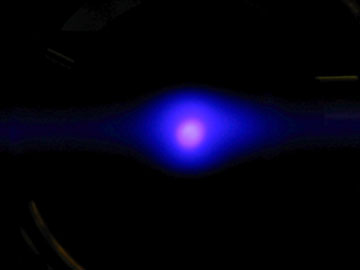
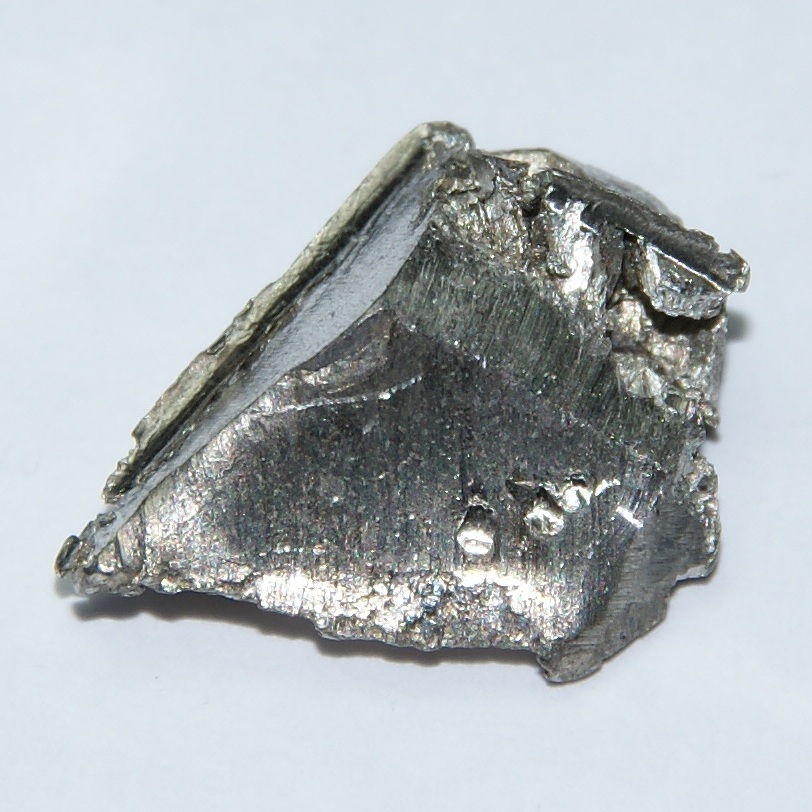
Freshly cut ytterbium is a soft, malleable, ductile metal with a pale golden tint, slightly less golden than caesium. It tarnishes gradually in air, developing a golden-brown surface, while finely divided powder oxidizes much more aggressively. When mixed with polytetrafluoroethylene or hexachloroethane and ignited, the powder burns with a distinctive emerald-green flame. The metal dissolves slowly in cold water and more rapidly in hot water, releasing hydrogen and yielding ytterbium(III) hydroxide. It reacts vigorously with dilute sulfuric acid, producing colorless nonahydrate Yb(III) complexes, and it combines with every halogen to give white trivalent halides. Because the Yb(III) ion absorbs only in the near-infrared, all its common salts and the oxide ytterbia appear white or colorless. The most chemically striking feature is ytterbium's willingness to adopt a +2 oxidation state, unusual among lanthanides. The Yb(II) ion, with its fully filled 4f14 shell, is a powerful reducing agent that decomposes water and liberates hydrogen, so only the trivalent ion persists in aqueous solution. In ammonia, ytterbium metal dissolves to form blue electride salts, echoing the behavior of europium and the alkaline earth metals.
Scarcity, Extraction, and Practical Applications
Natural ytterbium is an alloy of seven stable isotopes—168Yb through 176Yb—with 174Yb the most prevalent at 31.90 percent. An additional thirty-two synthetic radioisotopes have been identified. Despite this isotopic richness, the element is genuinely scarce: it averages only about three parts per million in the Earth's crust and ranks among the least abundant of all elements. Because it occurs intermingled with many other rare-earth species, extraction is labor-intensive. Commercial mining takes place in China, the United States, Brazil, and India, where ytterbium is recovered from the minerals monazite, euxenite, and xenotime. Once isolated, the metal presents handling challenges: it is an irritant to eyes and skin and poses a genuine fire and explosion risk, particularly in powdered form. In modern industry, ytterbium's principal roles are as a dopant in stainless steel and as an active medium in laser systems; a smaller niche exists as a gamma-ray source. These applications exploit the element's unique electronic and optical properties, making this soft, low-melting rare earth a quietly indispensable component of advanced materials and photonics technology.
Gallery
Frequently Asked Questions
Who is Ytterbium?
Ytterbium (Yb) is element number 70, a soft silvery lanthanide metal first identified by Swiss chemist Jean Charles Galissard de Marignac. It holds the fourteenth position in the lanthanide series.
What makes Ytterbium stand out among the lanthanides?
Its closed-shell electron configuration gives the +2 oxidation state an unusual degree of stability that most other lanthanides simply don't enjoy. That same electronic quirk also pulls its density, melting point, and boiling point well below those of its lanthanide neighbors.
What does Ytterbium look and feel like?
It's a soft, malleable metal that's noticeably easier to work with than many of its heavier lanthanide cousins. Because of its lower melting and boiling points, it behaves more like a 'lightweight' in the series when it comes to thermal properties.
How does Ytterbium bond in compounds?
The +3 state is its default, showing up in oxides, halides, and a wide range of other compounds. In aqueous solution, soluble ytterbium salts typically coordinate with nine water molecules to form stable complexes.
Why does Ytterbium matter in the lanthanide story?
Sitting at the 14th slot in the series, it's a textbook case of how a closed electron shell reshapes both chemistry and physical behavior within the lanthanide family. Its relatively stable divalent state makes it a go-to subject for coordination-chemistry research.
More in Chemical Elements 1-16
Spotted an error? Know more?
This is a living reference — every entry is fact-audited, and reader corrections feed straight into our audit queue. Suggest an edit · See this site's audit record