Tellurium
A rare metalloid used in solar panels and thermoelectric devices.

Darla Sondrol · CC0
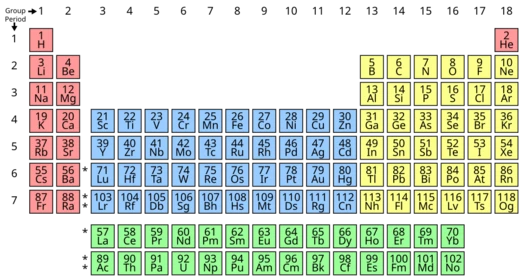
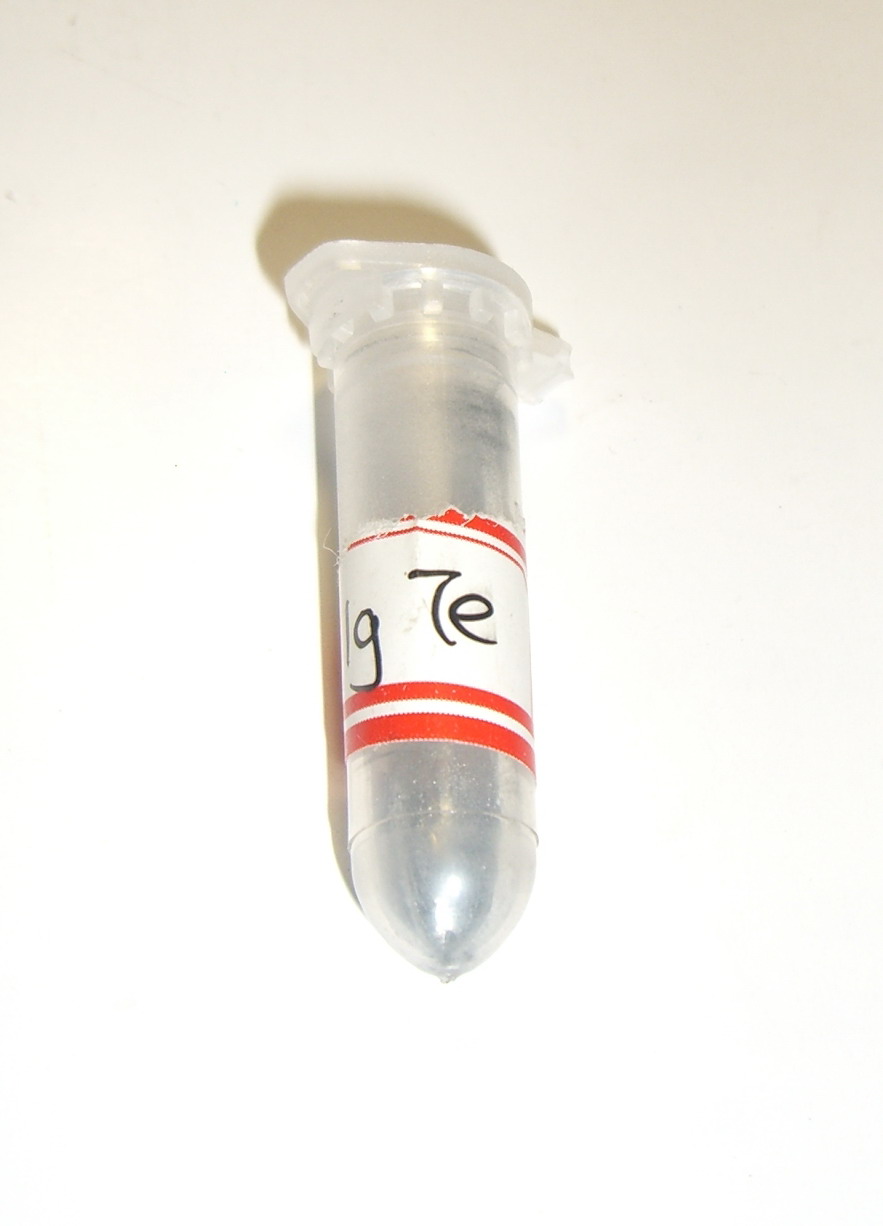
Tellurium is a chemical element with the symbol Te and atomic number 52. It is a brittle, mildly toxic, rare, silver-white metalloid chemically related to selenium and sulfur, all three of which are chalcogens. Tellurium is far more common in the universe as a whole than on Earth, and its extreme rarity in the Earth's crust, comparable to that of platinum, is due partly to its formation of a volatile hydride that caused tellurium to be lost to space as a gas during the hot nebular formation of Earth.
- symbol
- Te
- atomic_number
- 52
- category
- metalloid
- group
- chalcogens
- most_common_isotope_half_life
- 2.2 × 10^24 years (128Te)
Lore & Background
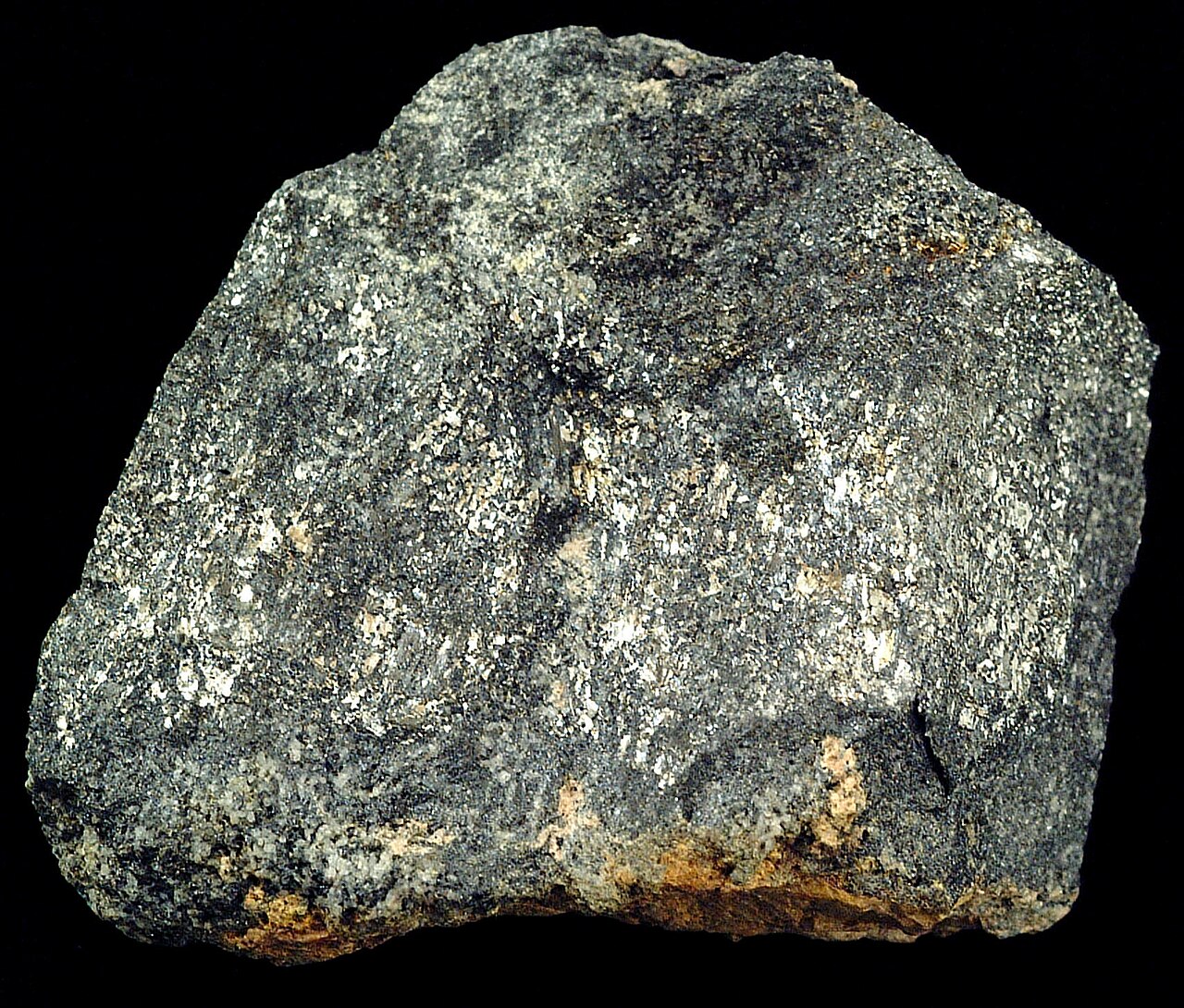
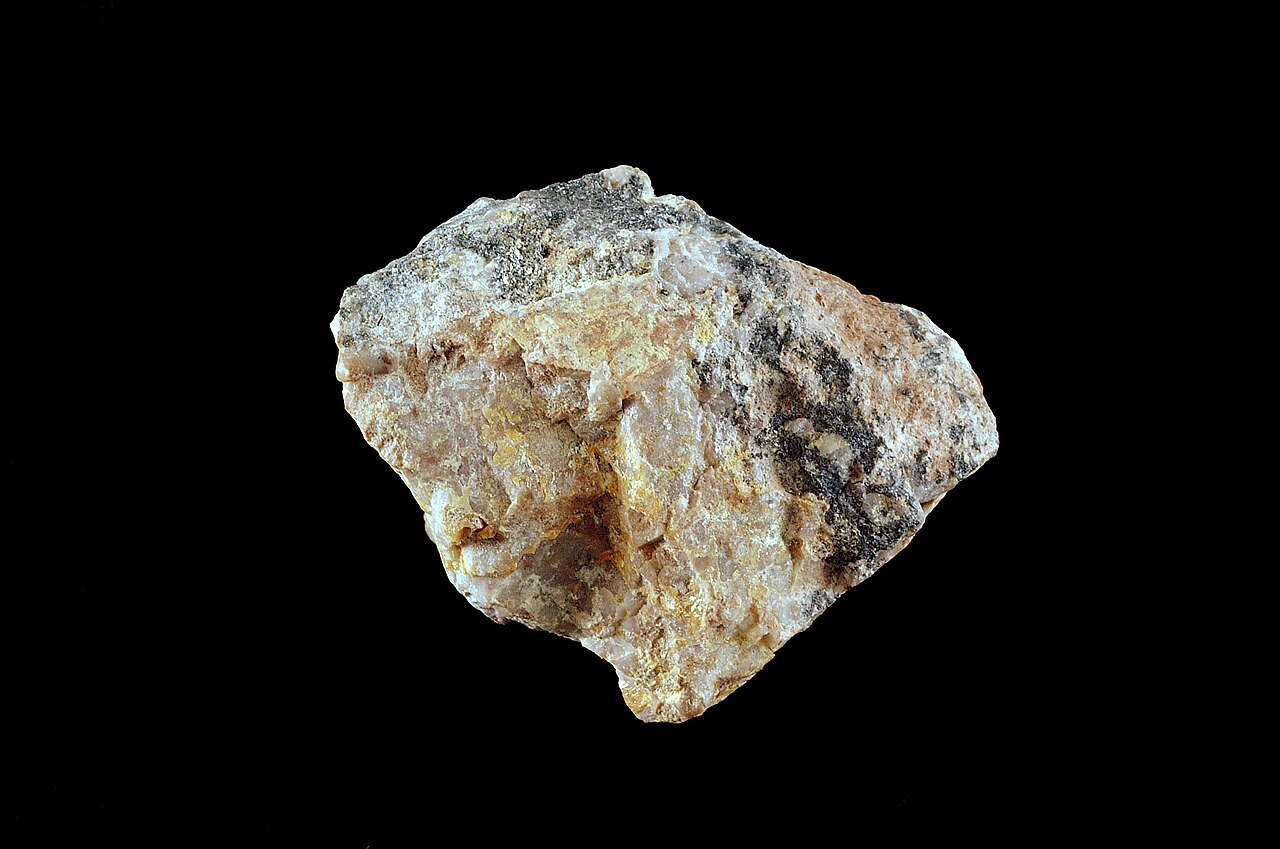
Gold telluride minerals are the most notable natural gold compounds, though they are not a commercially significant source of tellurium itself, which is normally extracted as a by-product of copper and lead production. Tellurium has two allotropes, crystalline and amorphous. When crystalline, it is silvery-white with a metallic luster, brittle, and a semiconductor. Amorphous tellurium is a black-brown powder. Naturally occurring tellurium has eight isotopes, six of which are stable; the other two, 128Te and 130Te, are slightly radioactive with extremely long half-lives, including 2.2 × 10^24 years for 128Te, the longest known half-life among all radionuclides. In the early 1920s, Thomas Midgley Jr. found tellurium prevented engine knocking when added to fuel, but ruled it out due to the difficult-to-eradicate smell. The 1960s brought an increase in thermoelectric applications for tellurium (as bismuth telluride), and in free-machining steel alloys. These applications were overtaken by the growing importance of CdTe in thin-film solar cells in the 2000s.
Reader's Guide
Tellurium is significant primarily for its commercial uses, especially in CdTe solar panels and thermoelectric devices, as well as in copper and steel alloys where it improves machinability. Its rarity in the Earth's crust, comparable to platinum, contrasts with its greater cosmic abundance, a depletion attributed to the formation of a volatile hydride during Earth's formation. The element has no biological function in humans, though fungi can incorporate it into amino acids, and human exposure leads to metabolism into dimethyl telluride, a gas with a garlic-like odor. Tellurium's discovery in the 18th century by Müller von Reichenstein and its naming by Klaproth highlight its early identification in gold ores. Its isotopes include 128Te, which has the longest known half-life of any radionuclide. The element's role in modern technology, particularly renewable energy, underscores its ongoing relevance, while its historical use in gold telluride minerals and as a fuel additive (later abandoned due to odor) illustrates its varied applications.
Did You Know?
- Tellurium has the longest known half-life among all radionuclides: 2.2 × 10^24 years for isotope 128Te.
- Tellurium is one of the rarest stable solid elements in the Earth's crust, with abundance comparable to platinum (about 1 μg/kg).
- Tellurium is partly metabolized in humans into dimethyl telluride, a gas with a garlic-like odor exhaled in the breath of victims of exposure.
Discovery and the Gold Connection
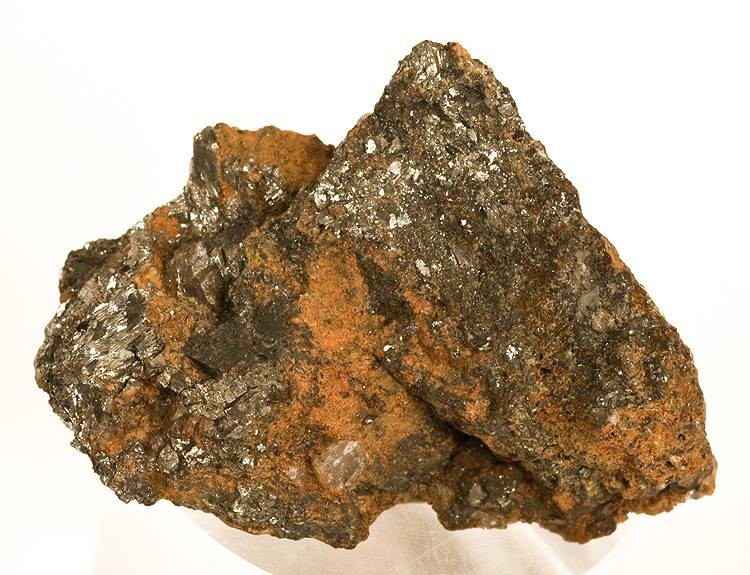
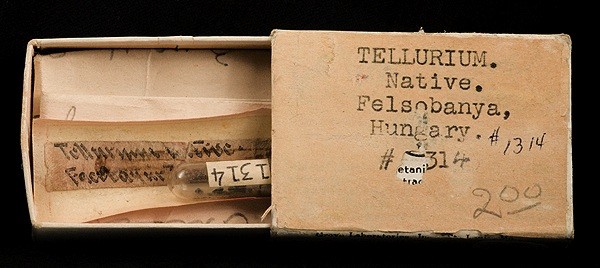
Tellurium-bearing compounds first entered scientific awareness in 1782, when the Austrian mineralogist Franz-Joseph Müller von Reichenstein encountered them in gold ore pulled from a mine at Kleinschlatten in Transylvania, a site that is now part of Zlatna, Romania. The element would not receive its formal name until 1798, when Martin Heinrich Klaproth christened it after the Latin word tellus, meaning "earth." The element's deep association with gold has persisted throughout its history. Gold telluride minerals—calaverite, krennerite, petzite, and sylvanite—remain the most notable natural compounds of gold, yet they are not a commercially meaningful source of tellurium itself. The town of Telluride in Colorado was named in the hopeful expectation of a gold-telluride strike that never materialized, though ordinary gold ore was eventually found. In 1893, miners at Kalgoorlie casually discarded a pyritic material while searching for pure gold, using it to patch potholes and lay sidewalks. Three years later, that same tailing was identified as calaverite, igniting a second gold rush that literally involved mining the streets.
A Cosmic Element Lost to Earth
Tellurium presents a striking paradox between its cosmic prevalence and its terrestrial scarcity. In the broader universe, tellurium is more abundant than rubidium, yet on Earth rubidium outnumbers it by a factor of ten thousand. In the crust, tellurium appears at roughly one microgram per kilogram, a concentration comparable to platinum and far below even thulium, the rarest stable lanthanide at five hundred micrograms per kilogram. The explanation lies in the hot, oxygen- and water-poor conditions of the early solar nebula. During preaccretional sorting, free hydrogen controlled the stable forms of elements, and tellurium—like its chalcogen sibling selenium—formed a volatile hydride that evaporated and was lost to space as a gas before Earth could accrete it. Tellurium and selenium are the heavy elements most severely depleted by this process. The element's cosmic origins remain active: in 2023, astronomers confirmed the detection of tellurium being created during a neutron star merger, reminding us that this rare Earthly trace element is a product of some of the most violent events in the universe.
Structure, Semiconductivity, and Isotopic Oddities
Crystalline tellurium takes the form of silvery-white, metallic-lustered solids arranged in trigonal, chiral structures (space groups 152 or 154 depending on handedness), built from parallel helical chains of atoms with three per turn. This gray material resists oxidation and is not volatile, yet it is brittle and easily crushed to powder. A second, amorphous allotrope appears as a black-brown powder obtained by precipitating from solutions of tellurous or telluric acid. As a semiconductor, tellurium conducts electricity anisotropically—better along certain crystallographic directions—and exhibits slight photoconductivity when exposed to light. Among all chalcogens, it holds the highest melting point (722.66 K) and boiling point (1,261 K), and in its molten state it is corrosive to copper, iron, and stainless steel. Tellurium's isotope roster is equally unusual: eight naturally occurring isotopes include six stable ones and two with extraordinarily long half-lives, the longest being 128Te at 2.2 × 10²⁴ years—roughly 160 trillion times the age of the known universe. Its atomic mass of 127.60 g/mol exceeds that of iodine, the next element, an inversion that puzzled chemists before atomic number was established.
Industrial Uses and Biological Encounters
In modern industry, tellurium's most significant role is in cadmium telluride (CdTe) solar panels and thermoelectric devices, while a more traditional application involves adding it to copper and steel alloys to improve machinability. Because gold tellurides are not a commercially viable extraction route, tellurium is normally recovered as a by-product of copper and lead smelting. The element also appears as tellurides of common metals such as melonite (NiTe₂), and as tellurite and tellurate minerals formed by surface oxidation; unlike selenium, tellurium rarely substitutes for sulfur in minerals because of the large difference in ionic radii. Biologically, tellurium serves no known function in human physiology. However, certain fungi can incorporate it in place of sulfur or selenium within amino acids such as tellurocysteine and telluromethionine. In humans exposed to tellurium or its compounds, the element is partly metabolized into dimethyl telluride, (CH₃)₂Te, a gas with a distinctive garlic-like odor that is exhaled in the breath of those experiencing tellurium poisoning.
Gallery
Frequently Asked Questions
Who is Tellurium?
Tellurium is a silver-white, brittle metalloid with atomic number 52 and the symbol Te, occupying the chalcogen group alongside sulfur and selenium. It is mildly toxic and one of the scarcest elements in Earth's crust, with abundance comparable to platinum.
What are Tellurium's powers and role?
Tellurium's semiconductor properties make it a key material in thin-film solar panels and thermoelectric generators that convert waste heat into usable electricity. In those applications it bridges the gap between purely metallic and purely insulating behavior.
Why is Tellurium so rare on Earth?
During the hot nebular phase of planetary formation, tellurium bonded with hydrogen to form a volatile hydride gas that simply drifted off into space. That single loss event left Earth with only trace amounts, even though the element is far more abundant in the wider universe.
How does Tellurium's story end?
Tellurium's most common isotope, Te-128, carries a half-life of roughly 2.2 × 10²⁴ years, which is so long that it is effectively stable for any practical purpose. In other words, the element doesn't really 'end' — it persists essentially forever.
What is Tellurium's connection to the other chalcogens?
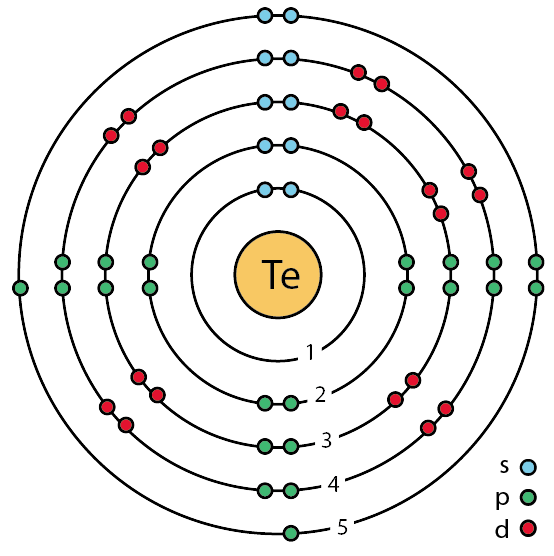
Tellurium sits in group 16 between selenium and polonium, sharing the same six-valence-electron chemistry as sulfur and selenium. That shared electron configuration gives it a blend of metallic and non-metallic traits that neither pure metals nor pure non-metals can replicate.
More in Chemical Elements 1-16
Spotted an error? Know more?
This is a living reference — every entry is fact-audited, and reader corrections feed straight into our audit queue. Suggest an edit · See this site's audit record