Zinc
Essential trace element and key industrial metal.

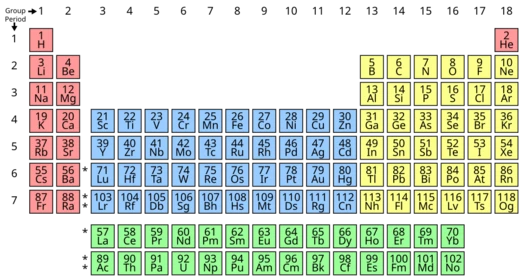
Zinc is a chemical element with the symbol Zn and atomic number 30. It is a slightly brittle metal at room temperature with a shiny blue-whitish appearance when surface oxidation is removed. It is the first element in group 12 (IIB) of the periodic table and is the 24th most abundant element in Earth's crust, with an average concentration of 70 grams per ton. Zinc is an essential trace element for humans, animals, plants, and microorganisms, necessary for prenatal and postnatal development, and is the second most abundant trace metal in humans after iron.
- symbol
- Zn
- atomic_number
- 30
- group
- 12 (IIB)
- crustal_abundance
- 24th most abundant
- most_common_isotope
- Zn-64 (49.17% natural abundance)
Lore & Background
Zinc has been used since ancient times, with brass, an alloy of copper and zinc, used as early as the third millennium BC in the Aegean area and regions including modern Iraq, the United Arab Emirates, and Georgia. In the second millennium BC, it was used in regions including West India, Uzbekistan, Iran, Syria, Iraq, and Israel. The mines of Rajasthan show archaeological evidence of zinc production from the 6th century BC, and the oldest man-made pure zinc comes from Zawar, Rajasthan, from as early as the 9th century AD, produced by a distillation process. Alchemists burned zinc metal in air to form zinc oxide, which they called 'philosopher's wool' or 'white snow'.
Reader's Guide
Zinc's significance spans biology, industry, and history. Biologically, it is an essential trace element for all life forms, acting as an important cofactor for many enzymes and the only metal appearing in all enzyme classes. Deficiency affects about two billion people in the developing world, causing growth retardation, delayed sexual maturation, infection susceptibility, and diarrhea in children, while excess zinc can cause ataxia, lethargy, and copper deficiency. In marine biomes, particularly polar regions, zinc deficit can compromise primary algal communities and destabilize marine trophic structures. Industrially, zinc's major application is hot-dip galvanization for corrosion-resistant plating on iron. It is also used in electrical batteries, small non-structural casts, and alloys such as brass. Zinc compounds are used in dietary supplements, deodorants, anti-dandruff shampoos, and luminescent paints.
Did You Know?
- Zinc is the 24th most abundant element in Earth's crust, with an average concentration of 70 grams per ton.
- The most common zinc ore is sphalerite (zinc blende), a zinc sulfide mineral.
- Zinc is the only metal that appears in all enzyme classes.
- The oldest man-made pure zinc comes from Zawar, Rajasthan, from as early as the 9th century AD.
Frequently Asked Questions
Who is Zinc?
Zinc (Zn) is a chemical element with atomic number 30, appearing as a slightly brittle, blue-whitish metal at room temperature. It ranks as the 24th most abundant element in Earth's crust, averaging about 70 grams per ton of crustal material.
What are Zinc's powers or role?
Zinc plays a dual role: it is an essential trace element required by all living organisms and a key industrial metal. In the human body it is the second most abundant trace metal after iron, supporting both prenatal and postnatal development.
Where does Zinc sit in the periodic table?
Zinc is the first element in group 12 (IIB), making it the opening entry of that column. Its atomic number is 30, placing it in the fourth period of the table.
Why is Zinc important to living things?
Zinc is an essential trace element for humans, animals, plants, and microorganisms, without which proper growth and development cannot occur. It is the second most abundant trace metal in the human body, trailing only iron in quantity.
What is Zinc's most common isotope?
Zn-64 is the predominant naturally occurring isotope of zinc, making up roughly 49.17 percent of all zinc found in nature.
More in Chemical Elements 1-16
Spotted an error? Know more?
This is a living reference — every entry is fact-audited, and reader corrections feed straight into our audit queue. Suggest an edit · See this site's audit record